

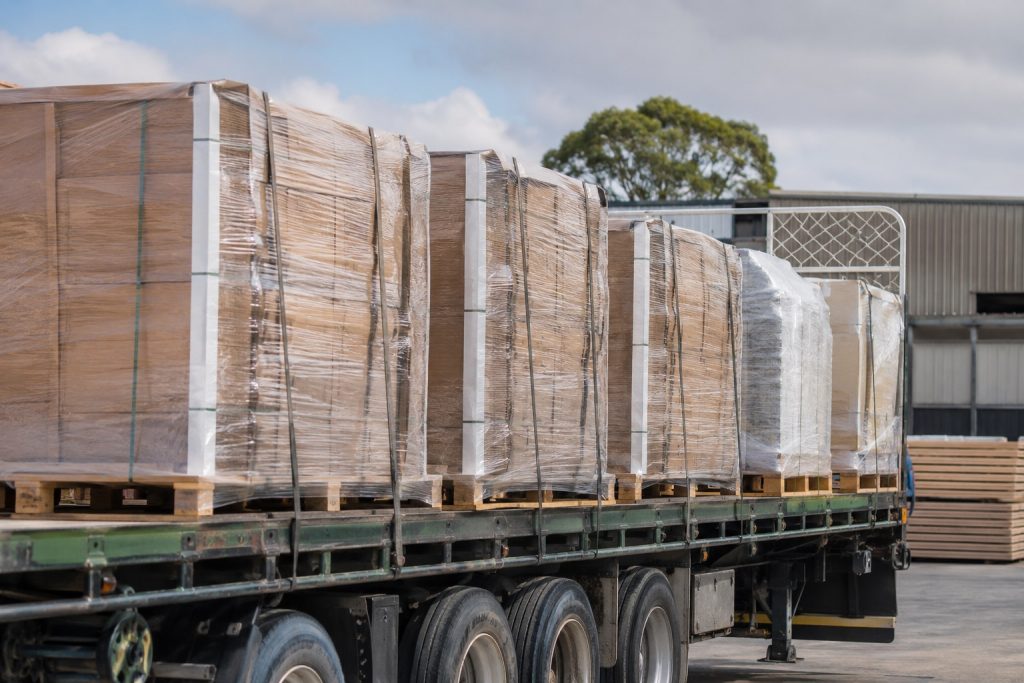
Bulk freight is cargo moved loose and unpackaged in large volumes, such as grain, fertiliser, lime, gypsum and woodchips. Bulk transport works by loading these goods straight into tipper, walking floor or tanker trailers, hauling them by road and discharging them at the destination. Specialist bulk freight transport keeps every tonne contained, compliant and on schedule.
Key Takeaways
- Bulk freight is loose, unpackaged cargo measured by the tonne or cubic metre, not by the pallet or carton.
- Common bulk loads in Australian agriculture include grain, granular fertiliser, lime, gypsum, compost and stockfeed.
- The trailer has to suit the product: tippers for free-flowing grain, walking floors for light or sticky material, tankers for liquids.
- Good bulk transport services plan around harvest peaks, site access, legal mass limits and clean trailers.
- Working with an experienced, accredited carrier protects your product and keeps everyone in the supply chain compliant.
What Is Bulk Freight?
Bulk freight is any cargo that travels loose, without boxes, bags or pallets. Instead of counting units, it’s measured by the tonne or cubic metre, and the load takes the shape of the trailer it sits in.
That’s what sets it apart from general freight, where goods are packed, palletised and loaded by forklift. With bulk, the trailer itself is the container. Loading and unloading rely on gravity, augers, conveyors or moving floors rather than handling each item one by one.
Bulk freight usually falls into two groups. Dry bulk covers solids that flow or tip, such as grain, fertiliser, sand and lime. Liquid bulk covers fuels, chemicals and liquid fertilisers carried in sealed tankers. Across regional Australia, dry bulk does most of the heavy lifting, moving the harvest off the paddock and putting inputs back on.
Because it moves in such large volumes, bulk freight is all about efficiency. A single B-Double can carry around 40 tonnes of grain in one trip, which keeps the cost per tonne down for growers and businesses alike.
What Types of Goods Are Moved as Bulk Freight?
If it can be tipped, augered or pushed out of a trailer, it can usually travel as bulk freight. In farming and horticulture, the most common loads include:
- Grain and pulses: wheat, barley, canola, rice and legumes moving from farm to storage, mills and port.
- Fertilisers: granular fertiliser, urea and custom blends delivered ahead of sowing and top-dressing.
- Soil conditioners: agricultural lime and gypsum, used to correct soil pH and improve soil structure.
- Organic inputs: compost, cow manure and chicken manure for horticulture and broadacre farms.
- Stockfeed and by-products: almond hulls, cotton trash and rice hulls for feedlots and dairies.
- Bedding and landscaping material: woodchips and wood shavings for livestock, gardens and industry.
Each product behaves differently once it’s on the road. Grain flows freely, manure clumps, and woodchips are light but bulky. That’s why the equipment matters just as much as the truck.
How Does Bulk Transport Work?
Every bulk job follows the same basic path: plan, load, haul and discharge. Here’s what happens at each stage.
1. Planning the load
It starts with the details: product type, tonnage, pick-up and drop-off points, timing and site access. Your carrier checks whether the roads and farm gateways suit Singles, B-Doubles or Road Trains, and where the nearest weighbridge is. Loads are then matched to legal mass limits so nothing is overloaded.
2. Loading at the source
Bulk goods are loaded by front-end loader, auger, conveyor or overhead silo. During harvest, grain is often loaded straight from the paddock. Later in the season it may come out of on-farm silos or a commercial grain storage site once prices suit. Trailers should be clean and inspected first to avoid contamination between products.
3. Hauling the freight
Once loaded, the trailer is tarped to stop product blowing out and keep moisture off. Drivers manage fatigue, speed and mass under the Heavy Vehicle National Law. Under Chain of Responsibility, everyone in the supply chain, from the consignor to the receiver, shares the duty to keep the load and the road safe.
4. Discharging at the destination
At delivery, the load is tipped, pushed out with a moving floor or pumped off. Grain can tip straight into a pit or bunker. Fertiliser and lime might go into a shed, a nurse bin or a paddock stockpile, ready for fertiliser spreaders to put it on the ground at the right rate.
Trailers and Equipment Used in Bulk Transport
Matching the trailer to the product is the single biggest factor in a smooth bulk job. The wrong setup means slow unloading, spilled product or a truck that can’t safely get in or out of site.
Tipper trailers
Tippers lift the front of the trailer with a hydraulic ram so the load slides out the back. They’re the workhorse for grain, granular fertiliser, lime and gypsum because they unload quickly and handle heavy, free-flowing product with ease.
Walking floor trailers
A walking floor uses moving slats along the trailer bed to push the load out the rear without tipping. That makes unloading safer under power lines, on uneven ground and inside sheds. It’s why walking floor transport is the go-to for hay, silage, woodchips, compost and manure that would otherwise hang up in a tipper.
Tankers and specialised units
Liquids and certain hazardous products need sealed tankers or purpose-built equipment. Some fertilisers, such as ammonium nitrate-based products, are classed as dangerous goods. These must travel under the Australian Dangerous Goods Code with correct placarding, paperwork and licensed drivers, so it pays to use a carrier experienced in dangerous goods transport.
Truck combinations
Prime movers pull Singles, B-Doubles or Road Trains depending on volume and route. Bigger combinations move more per trip and lower your freight cost, but they need approved routes and enough room on site to turn around.
What to Look for in Bulk Transport Services
Not every carrier is set up for bulk work, and the difference shows up fast when harvest hits. Before you book, check that your provider offers:
- The right fleet: a mix of tippers, walking floors and truck combinations to suit your product and site access.
- Accreditation and compliance: heavy vehicle accreditation and a clear, practical approach to Chain of Responsibility.
- Clean, product-safe trailers: wash-out procedures that stop contamination between grain, fertiliser and organic loads.
- Harvest capacity: enough trucks and drivers to keep headers running when everyone needs freight at once.
- Local knowledge: drivers who know regional roads, farm gateways and receival sites.
- One point of contact: a carrier that can also source product, store grain or spread fertiliser saves you juggling multiple suppliers.
A carrier that ticks these boxes will save you time, protect your product and keep your season on track.
Keeping Australian Agriculture Moving
Bulk freight keeps the farming year turning, from grain leaving the paddock at harvest to fertiliser and lime going back on before sowing. Getting it right comes down to three things: matching the product to the right trailer, planning every load properly and working with a carrier that takes compliance seriously.
McNaughts is a family owned and operated business based in Finley, NSW, running Singles, B-Doubles and Road Train combinations for everyone from local growers to multinational companies. Whether it’s a one-off load or a full season of haulage, our bulk transport services are built around your timing and your product.
Book Bulk Transport Services With McNaughts
Got a load to move? Contact us today to talk through your freight, get a quote and find the right trailer setup for the job.
