

4 min read
Key Takeaways
- Fertiliser blending tailors nutrient mixes to crop and soil needs, reducing waste and input costs.
- Precision application using a fertiliser spreader ensures even distribution, improving efficiency and plant uptake.
- Blended fertilisers support healthier growth and higher yields, especially when based on accurate soil testing.
- McNaughts provides end-to-end fertiliser blending and spreading services, including delivery and expert guidance.
Fertiliser plays a vital role in achieving high yields and healthy crops but not all fertiliser strategies are equally effective. Standard one-size-fits-all products can lead to over-application, nutrient imbalance, and wasted spend. That’s where fertiliser blending comes in.
By customising fertiliser mixes to match specific soil and crop needs, farmers can cut unnecessary input costs and increase nutrient efficiency. When combined with accurate application using a calibrated fertiliser spreader, fertiliser blending becomes a powerful tool to improve both farm profitability and productivity.
What Is Fertiliser Blending and How Does It Work?
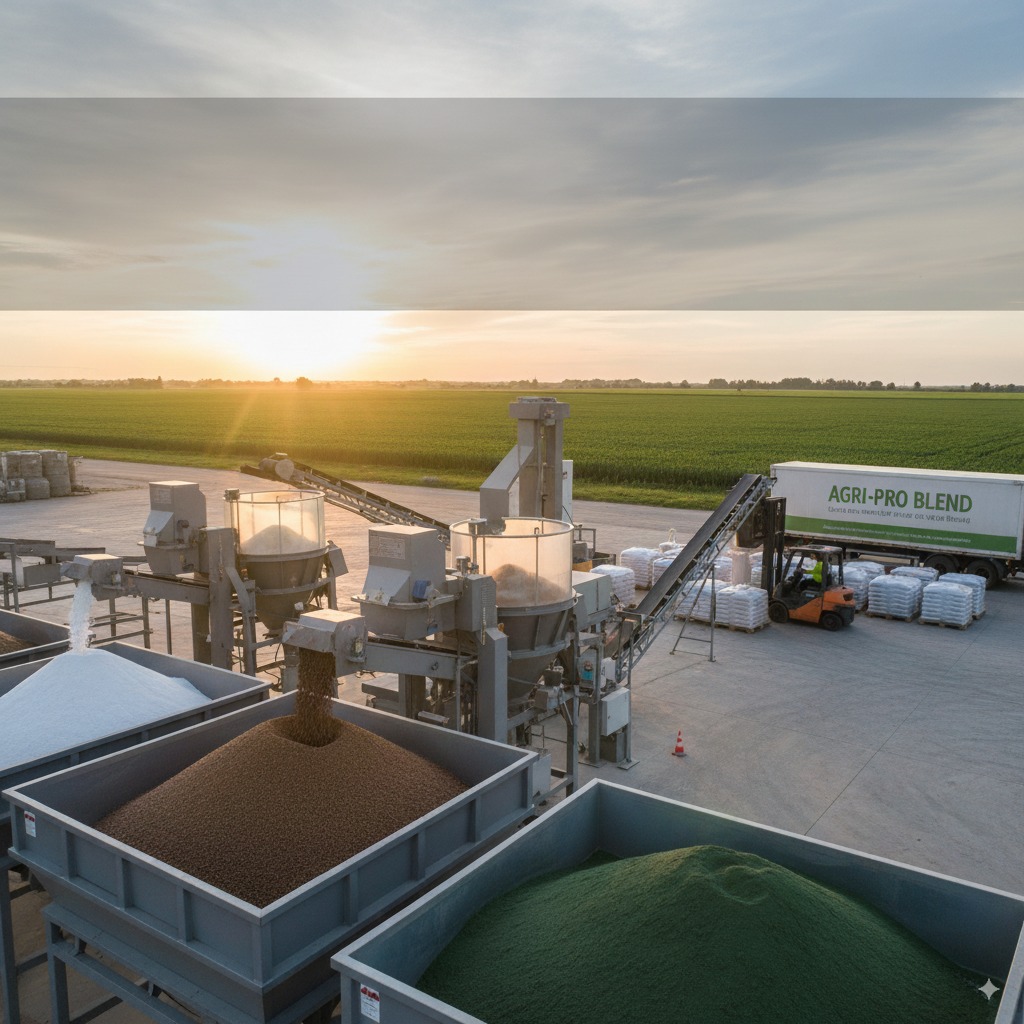
Fertiliser blending is the process of combining different nutrient components, typically nitrogen (N), phosphorus (P), potassium (K), and trace elements, into a single, custom mix. The goal is to tailor the blend based on the crop type, growth stage, and results from soil testing.
Unlike pre-mixed commercial fertilisers, custom blends are created to match the specific deficiencies or nutrient targets of a given paddock. The blending process ensures an even mix of nutrients, so every hectare receives a consistent and balanced application. McNaughts provides fertiliser blending services to help growers match their fertiliser program to local conditions, boosting efficiency and crop response.
How Does Blending Reduce Fertiliser Waste and Input Costs?
One of the biggest advantages of fertiliser blending is its cost-saving potential. Off-the-shelf fertilisers often include nutrients that aren’t needed in certain soils, leading to overuse and unnecessary expense. When farmers apply more of one nutrient than their crop actually requires, it not only wastes money but can also cause nutrient imbalances or runoff. Blending allows for precise application of only the nutrients your crop truly needs. This targeted approach reduces overall input volumes, lowers cost per hectare, and improves return on investment across the season. For example, if your soil test shows high potassium levels, your custom blend can exclude or reduce that nutrient, saving both money and environmental impact.
Can Fertiliser Blending Improve Crop Performance?
Absolutely. Tailored fertiliser blends directly support better crop performance by optimising the nutrient supply throughout the growth cycle. When crops receive exactly what they need, when they need it, they’re more likely to achieve their full potential in terms of biomass, yield, and quality.
Blending also improves nutrient uptake efficiency. Balanced nutrient profiles help crops absorb essential elements more effectively, reducing losses to leaching or volatilisation. Over time, consistent and well-planned blending can also support improved soil structure and microbial activity, leading to healthier paddocks. With better root development, stronger growth, and improved nutrient balance, the benefits of custom blending show both short-term and long-term gains.
What Role Does the Fertiliser Spreader Play in the Process?
A well-mixed fertiliser blend is only as effective as its application method. This is where your fertiliser spreader plays a crucial role. Precision spreading ensures that the nutrients in your custom blend are evenly distributed across the field. Inaccurate spreading can result in uneven crop growth, wasted product, and poor yield consistency. That’s why spreaders must be calibrated to match the particle size and density of the blend, particularly when using granular fertiliser, which can vary in weight and flow characteristics. At McNaughts, our fertiliser spreading services use calibrated machinery and GPS-guided systems to ensure your fertiliser is placed exactly where it’s needed, every time.
How Can McNaughts Support Your Blending and Spreading Needs?
McNaughts offers a complete, farm-ready solution, from custom blending through to transport and precision application. Our team works with growers to analyse soil conditions, design the right nutrient mix, and apply the fertiliser using industry-best equipment.
We offer:
- Custom fertiliser blending tailored to your soil and crop requirements
- High-quality granular fertiliser options available in bulk
- Accurate fertiliser spreading services using calibrated machinery
- Reliable delivery via our bulk transport fleet across Victoria and southern New South Wales
Our goal is to help clients reduce waste, improve yield, and streamline fertiliser management, all backed by decades of local agricultural expertise.
Why Should You Consider Fertiliser Blending This Season?
If you’re looking to lower your input costs without compromising on yield, fertiliser blending offers one of the most efficient paths forward. It’s a simple but powerful shift from generic application to targeted nutrient management.
With custom blends, precision application, and expert support from McNaughts, you can get more from every tonne of fertiliser applied. Contact us today to discuss your soil testing needs and receive a tailored fertiliser solution for the season ahead.
