

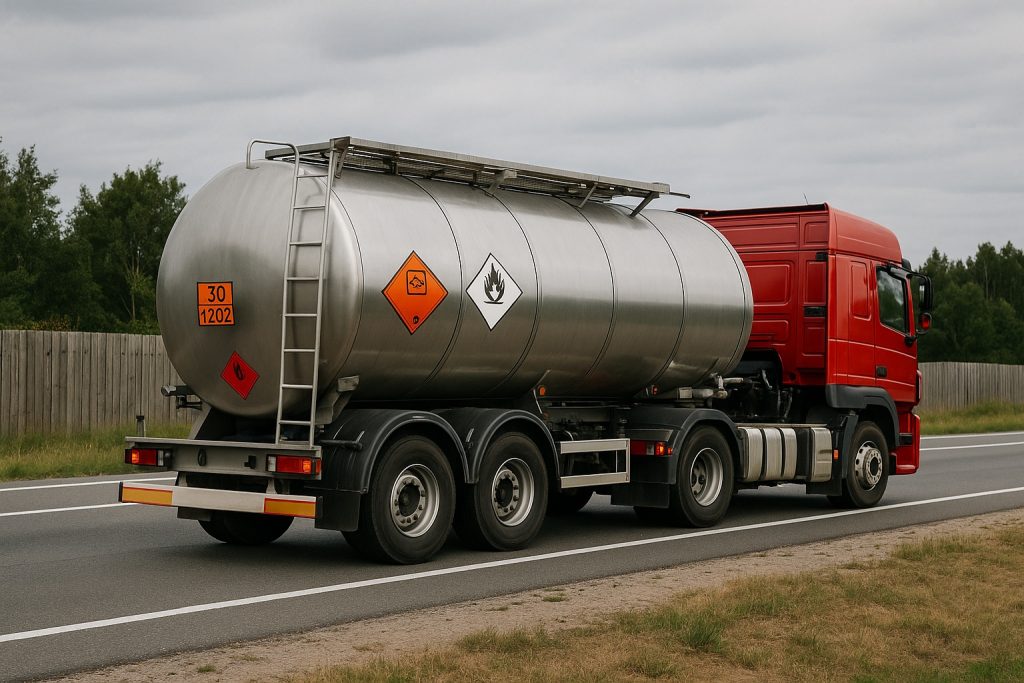
Key Takeaways
- Dangerous goods are high-risk materials classified into nine categories, including flammable, toxic, corrosive, and explosive substances, all requiring strict handling procedures.
- Failure to manage hazardous freight properly can result in fires, environmental damage, legal penalties, and serious harm to people and property.
- The Australian Dangerous Goods Code (ADG Code) outlines essential safety and compliance requirements for packaging, labelling, documentation, and vehicle standards.
- Only certified carriers and trained drivers are legally allowed to transport dangerous goods—licensing, inspections, and emergency preparedness are mandatory.
- McNaughts ensures safety through rigorous controls, including sealed vehicles, route planning, GPS tracking, emergency kits, and continuous driver training.
- Partnering with an experienced provider like McNaughts gives businesses peace of mind that their dangerous goods are transported securely and compliantly.
Transporting dangerous goods is a high-stakes responsibility that demands strict safety standards, thorough planning, and complete compliance with national regulations. Whether it’s corrosive chemicals, flammable fuels, or explosive materials, the risks associated with hazardous freight are significant, impacting not only the driver and vehicle but also the environment and public safety.
At McNaughts, we specialise in the safe and compliant transport of dangerous goods across Australia, with a focus on reducing risk and protecting both people and product. Here’s what’s involved in doing it right.
What Are Dangerous Goods and Why Are They High-Risk to Transport?
Dangerous goods are substances or items that pose a risk to health, safety, property, or the environment during transport. In Australia, they are classified into nine hazard classes under the Australian Dangerous Goods Code (ADG Code).
These include:
- Class 1 – Explosives
- Class 2 – Gases (flammable, non-flammable, toxic)
- Class 3 – Flammable liquids
- Class 4 – Flammable solids
- Class 5 – Oxidising substances and organic peroxides
- Class 6 – Toxic and infectious substances
- Class 7 – Radioactive materials
- Class 8 – Corrosive substances
- Class 9 – Miscellaneous dangerous goods
Each class carries unique risks and must be handled according to specific requirements to avoid incidents in transit.
What are the potential risks if dangerous goods are mishandled?
Mishandling dangerous goods can lead to a range of severe consequences. These include the risk of fire or explosion, environmental contamination caused by leaks or spills, and serious health impacts due to exposure to toxic materials. Such incidents can also result in road closures, transport delays, and significant reputational damage to the business involved. Legal consequences can be just as severe, including substantial fines and criminal charges for regulatory breaches. Even a minor spill involving a flammable liquid can escalate quickly if safety measures aren’t in place, underscoring the importance of rigorous compliance.
What Regulations Must Be Followed for Safe Transport?
The ADG Code is the national standard for transporting dangerous goods by road and rail in Australia. It sets out the key safety responsibilities for all parties involved, including correct classification and documentation, vehicle placarding, packaging compliance, and emergency response planning. Segregation requirements are also vital, ensuring that incompatible substances are not stored or transported together. The code is regularly updated to reflect evolving best practices and scientific research, and compliance is not just recommended, it is legally required.
What vehicle and driver requirements apply?
Vehicles that carry dangerous goods must meet stringent criteria. They need to display clear hazard placards, carry appropriate spill containment gear, and be fitted with safety equipment that matches the risk profile of the cargo. These vehicles undergo regular inspections to ensure their suitability for hazardous freight. Drivers must also hold a Dangerous Goods Driver Licence, receive specialised training, and follow strict operational protocols at all times. At McNaughts, our fleet and drivers adhere to all national regulations, ensuring each load is transported safely and responsibly. Explore our dangerous goods transport services to learn more.
What Safety Measures Help Prevent Incidents in Transit?
How should dangerous goods be packaged and labelled?
Packaging is the first line of defence against accidents. Dangerous goods must be sealed in containers that meet international UN certification standards, providing resistance to leakage, pressure, and physical impact. Labelling is equally crucial; containers must be marked with the correct hazard class diamonds, UN numbers, and handling instructions to ensure easy identification during inspections or emergencies. These measures ensure that everyone involved in the supply chain is aware of the potential risks and can act accordingly.
What checks and balances should logistics providers have in place?
A responsible logistics provider implements a comprehensive system of safeguards to reduce the risk of incidents. Before any journey begins, vehicles are inspected to confirm they’re in optimal condition. Route planning takes into account any restrictions or sensitive zones to avoid. During transport, GPS tracking and real-time communication allow operators to respond quickly if issues arise. Vehicles are equipped with emergency spill kits and fire suppression tools, and drivers receive ongoing training in handling hazardous materials and emergency protocols. At McNaughts, these practices form the foundation of our bulk freight transport operations, helping to move hazardous cargo safely and efficiently across the country.
Why Work with Certified Dangerous Goods Carriers?
Choosing a certified dangerous goods carrier is one of the most important decisions a business can make when transporting hazardous freight. Certified providers like McNaughts offer more than just compliant vehicles, they bring extensive experience, specialist knowledge, and a culture of safety to every job. Our drivers are fully trained and licenced, our equipment is kept to the highest standards, and our procedures are aligned with the most current industry regulations. Every step of the process is transparent and trackable, giving clients the confidence that their cargo is in expert hands.
When lives, property, and the environment are at stake, there’s no room for compromise. Contact our team today to discuss how we can help you transport your dangerous goods safely, reliably, and compliantly.
