

Key Takeaways:
- Bulk commodities require specialised handling and vehicles to ensure safe, efficient transport without contamination or product loss.
- Compliance with Australian transport laws, including HVNL, Chain of Responsibility, and load restraint guidelines, is essential for legal and safe operations.
- Proper load securing and driver safety protocols are critical to preventing accidents, spills, and costly delays.
- Partnering with an experienced freight provider like McNaughts ensures professional handling, regulatory compliance, and reliable delivery of bulk materials.
Transporting bulk commodities is a critical part of Australia’s supply chain, involving products such as grain, fertiliser, feed, hay, and other agricultural or industrial materials. Because these loads are typically unpackaged, heavy, and often sensitive to handling, transporting them safely requires the right equipment, techniques, and knowledge of national transport regulations. In this guide, we explore the best practices for transporting bulk commodities and the regulations that businesses and freight operators must follow to ensure safe, compliant, and efficient operations.
What Are Bulk Commodities and Why Do They Require Special Handling?
Bulk commodities are materials transported in large volumes without packaging either in solid form (like grain, lime, hay, or woodchips) or as loose bulk products such as fertilisers and organic materials. Unlike palletised freight, these products are often flowable or compressible, making them more challenging to load, move, and contain. Many bulk materials such as granular fertiliser or cotton trash are sensitive to moisture, contamination, or crushing, requiring appropriate containment and vehicle handling. For perishable products like hay or animal fodder, timing and ventilation are also critical.
McNaughts has decades of experience transporting a variety of bulk goods, including grain, gypsum, lime, and fertiliser blends each requiring its own tailored approach to ensure the product arrives in top condition.
What Vehicles and Equipment Are Best for Bulk Freight Transport?
The vehicle choice is a crucial component of bulk freight safety. Depending on the material’s density, moisture content, and behaviour during transit, different trailer types may be used:
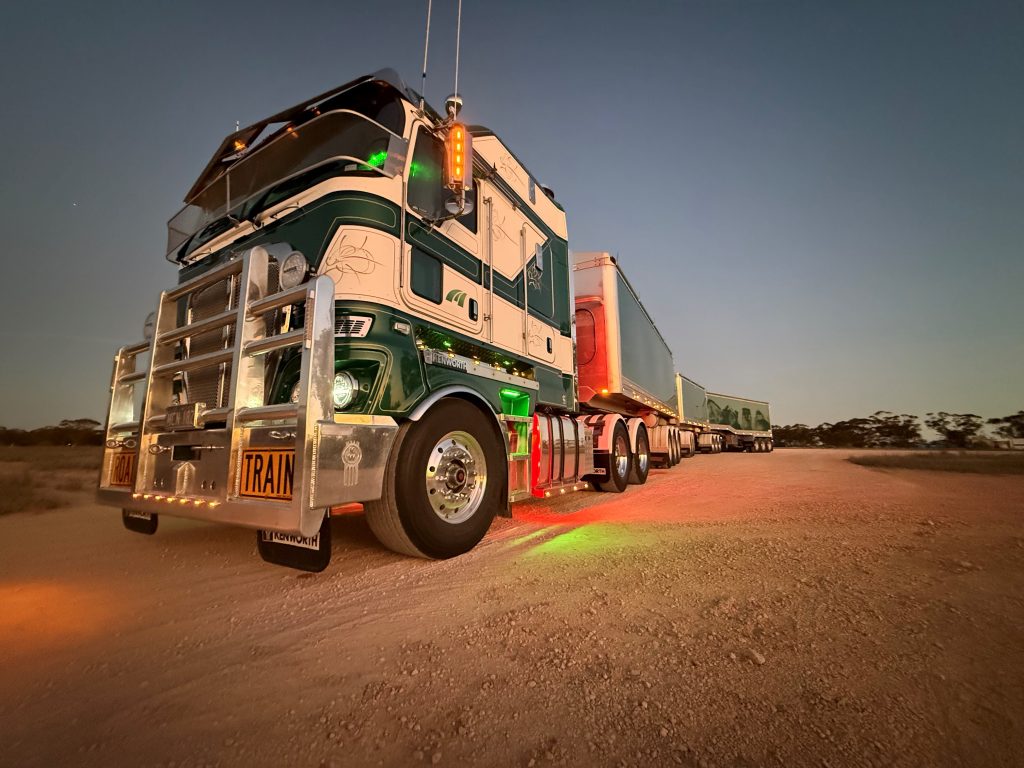
- Tipper trailers are commonly used for bulk grain, fertiliser, and similar dry goods.
- Walking floor trailers are ideal for loads that need even unloading or can’t be tipped safely, such as compost, woodchips, or cotton waste.
- Bulk tankers are used for powders, liquids, or products that require sealed environments.
Key Regulations for Bulk Commodity Transport in Australia
Bulk transport is governed by several layers of regulation to ensure safety and accountability:
- Heavy Vehicle National Law (HVNL) regulates maximum vehicle mass, loading procedures, and fatigue management for operators.
- Chain of Responsibility (CoR) laws ensure that not just drivers, but also loaders, schedulers, and business owners are accountable for compliance.
- Load Restraint Guide (National Transport Commission) outlines methods for safely securing loose bulk loads to prevent shifting, tipping, or spillage.
- For certain materials, dangerous goods regulations may apply, especially with chemical fertilisers or waste byproducts.
Compliance with these rules helps prevent accidents, cargo loss, and costly fines. McNaughts operates under full compliance with HVNL and CoR legislation, with internal processes and training designed to maintain industry-leading standards.
How Can You Ensure Loads Are Properly Secured and Balanced?
Proper load restraint is critical when transporting bulk materials, as unbalanced or unsecured loads can shift during transit, especially when braking or turning, raising the risk of rollovers or spills. To ensure safety, weight must be evenly distributed across all axles to maintain vehicle stability. Side walls or covers should be used for loose or lightweight materials such as sawdust or rice hulls to prevent wind-blown loss. Where necessary, restraint systems or load sheeting should be employed to contain the load. It’s also essential to monitor load height and mass closely to avoid exceeding legal weight limits.
What Safety Protocols Should Drivers and Operators Follow?
Transporting bulk commodities isn’t just about the load, it’s also about keeping drivers and other road users safe. That’s why McNaughts maintains strict safety protocols that include:
- Pre-departure vehicle checks to assess brakes, tyres, lighting, and load security.
- PPE usage when handling materials or working on-site.
- Fatigue management through roster planning and compliance with legal driving hours.
- Emergency procedures for load spills, weather delays, or mechanical failures.
- Route planning to avoid hazards like low-clearance bridges or weight-restricted roads.
By embedding safety into every stage of the journey, we reduce the likelihood of incidents and ensure every delivery arrives safely and efficiently.
When Should You Rely on a Professional Bulk Freight Company?
If you’re dealing with high volumes, time-sensitive delivery windows, or regulated materials, partnering with a professional carrier can save time and reduce risk. A reliable freight partner provides:
- Fleet scalability to handle various product volumes
- GPS tracking and compliance reporting
- Experience in regional and interstate routes
- Specialised handling of complex freight types (e.g., dangerous goods transport)
McNaughts provides full-service support across general freight transport, agricultural commodities, and regulated goods, offering a dependable link between growers, producers, and processors.
Let McNaughts Help You Move Bulk Commodities Safely
Transporting bulk commodities demands careful planning, specialised vehicles, and a strong understanding of Australian transport laws. Whether you’re shifting fertiliser, fodder, or grain, safety and compliance should always come first. With our experienced team, compliant fleet, and proven track record, McNaughts is ready to help. Get in touch with us to discuss your freight needs or learn more about our bulk transport services.
