

3 min read
Key Takeaways
- Silage transport on rural roads poses unique risks due to terrain, visibility, and load instability.
- Proper loading, load restraint, and vehicle checks are essential for preventing spills and rollovers.
- Safe navigation on rural routes requires trained drivers, reduced speeds, and good communication.
- McNaughts delivers safe, compliant silage transport, backed by experience, equipment, and regional expertise.
Transporting silage is an essential part of seasonal operations for Australian farmers. However, when moving large volumes along rural roads, safety becomes a top priority. Uneven surfaces, tight access points, and unpredictable traffic conditions all add to the complexity. Without the right practices and experience, silage transport can pose serious risks to drivers, other road users, and farm infrastructure. At McNaughts, we’ve been delivering safe and efficient silage transport solutions for decades. In this article, we cover the top safety practices every operator should follow when transporting silage on rural routes.
Why Is Silage Transport Riskier on Rural Roads?
Rural roads often present a variety of safety challenges not seen on highways or major freight corridors. Many farm roads are unsealed or narrow, with limited shoulder space, sharp corners, and blind crests. These conditions can be especially dangerous when hauling heavy, high-centre loads like silage.
Add in slow-moving farm machinery, unpredictable wildlife, and limited signage, and the risk of collisions or rollovers increases. Silage is also a loose, often moist material that can shift in transit, making proper loading and restraint critical. These factors make it essential to follow strict safety protocols before, during, and after every run.
How Should Silage Be Loaded and Secured for Transport?
Safe transport starts with proper loading. Silage should be evenly distributed across the trailer to maintain balance and reduce the risk of tipping, especially on bends or uneven terrain. Avoid overloading, as it not only increases fuel use but also compromises handling and braking efficiency.
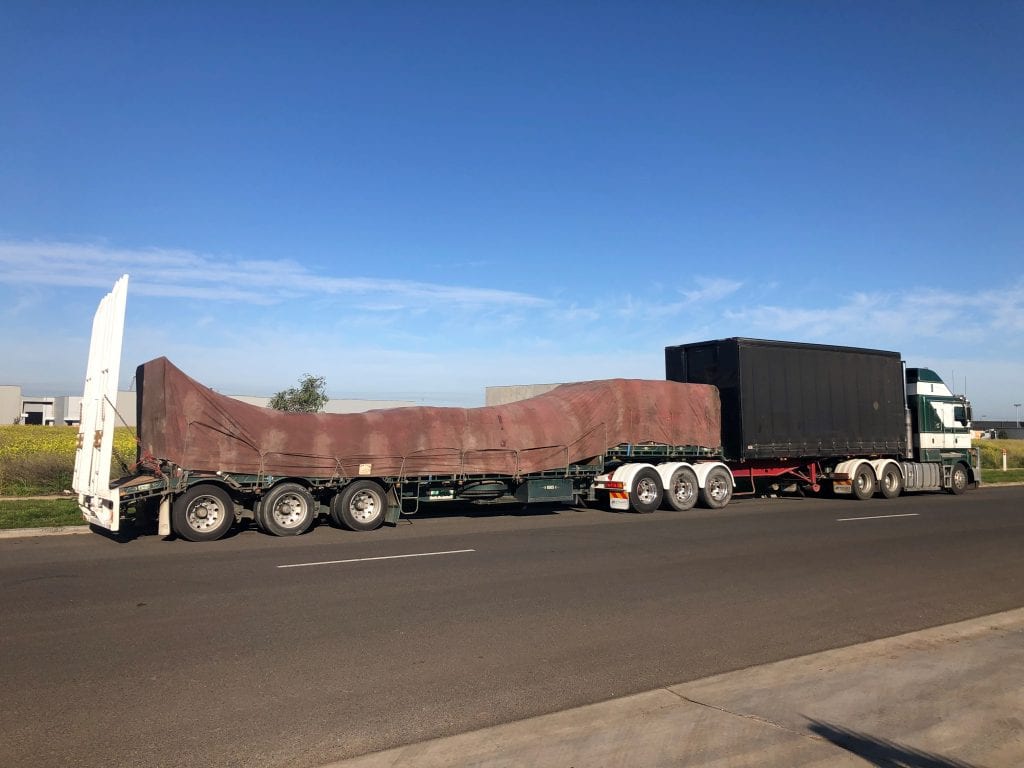
Loose material should be properly contained using tarpaulins, netting, or custom-fitted covers. This prevents debris from escaping during transit and ensures compliance with local road safety and environmental regulations. Every load should also meet load restraint guidelines to avoid shifting or loss while on the move.
At McNaughts, all silage loads are managed by trained operators who understand the importance of weight distribution, restraint, and moisture control.
What Vehicle Checks Are Essential Before Silage Runs?
Before heading out, drivers must perform a thorough pre-trip inspection to ensure their vehicle is roadworthy and safe for heavy rural transport. This includes checking:
- Brakes and brake lights for full functionality
- Tyre pressure and tread to maintain grip on variable terrain
- Trailer connections and hitches for secure attachment
- Hydraulic systems for tipping or walking floor trailers
- Tarping or cover systems to ensure full containment
Regular inspections help prevent mechanical failure and reduce the risk of load instability. McNaughts’ fleet is maintained to the highest industry standards, with routine checks before every trip.
How Can Drivers Navigate Narrow or Hazardous Rural Routes Safely?
Navigating tight rural roads requires skill, patience, and local knowledge. Drivers should reduce speed when approaching sharp bends, hill crests, or unsealed sections, especially in wet or windy conditions. Oncoming vehicles may not always expect to encounter large loads, so caution is key. Using a UHF radio to communicate with nearby farm traffic can improve visibility and coordination. When possible, drivers should pull over safely to let faster vehicles pass. Extra attention should also be paid near farm driveways or field entries, where slow-moving equipment or livestock may cross. McNaughts’ drivers are trained specifically in rural transport, ensuring that they’re not only confident but also courteous and careful when sharing regional roads.
McNaughts Ensure Safe and Compliant Silage Transport
At McNaughts, safety is built into every part of our silage transport process. Our team operates under strict NHVR compliance and follows established protocols for heavy rural freight. All drivers are trained in load restraint, road safety, and emergency procedures. We use modern vehicles equipped with advanced safety systems and GPS tracking, allowing for real-time communication and monitoring. Our bulk freight transport capacity also ensures we can move large silage volumes quickly and safely during peak demand without cutting corners. Route planning, local traffic awareness, and equipment maintenance are part of every job we do, ensuring your silage arrives where it’s needed, safely and on time.
Why Should Farmers Partner with a Trusted Transport Provider?
Choosing the right transport provider is critical when it comes to silage and other agricultural products. Unqualified carriers may lack the necessary equipment or knowledge to navigate rural roads safely, increasing the risk of load loss, fines, or costly delays. With decades of experience in agricultural freight, McNaughts understands the unique challenges faced by farmers during peak seasons. We provide professional, timely, and fully compliant transport solutions tailored to your property’s needs. If you’re preparing to move silage this season, contact us to learn more about how our fleet and team can support your operation with safety and reliability at the core.
