

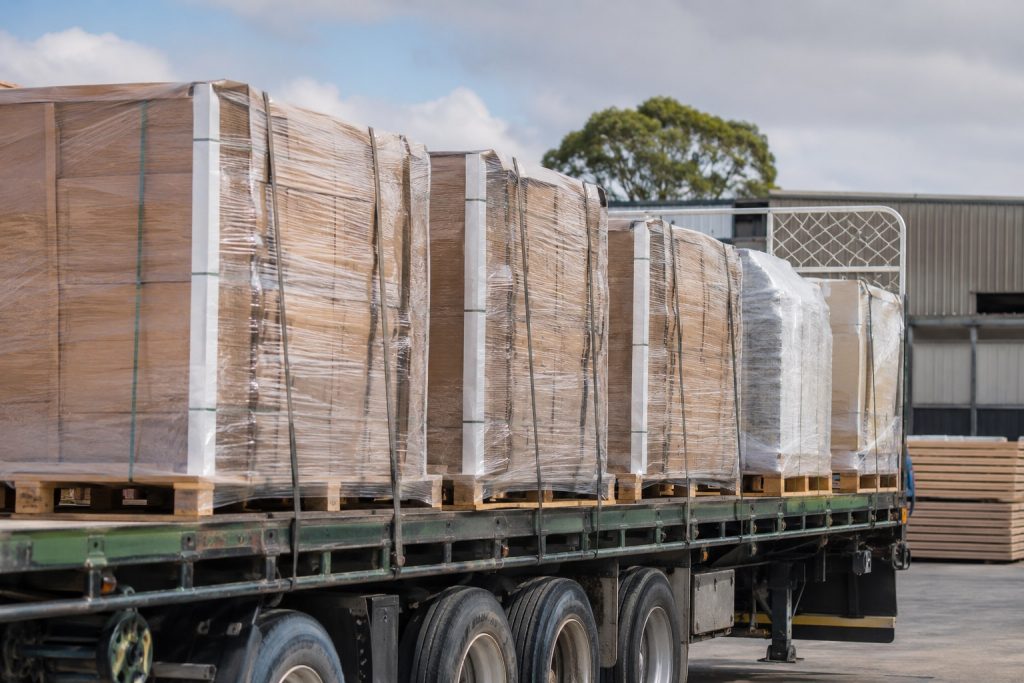
Key Takeaways
- Use strong, undamaged pallets that can support the load weight.
- Distribute weight evenly across the pallet surface.
- Secure products with stretch wrap, strapping, or both.
- Keep loads stable and within pallet dimensions.
- Clearly label pallets with delivery and handling information.
- Conduct a final inspection before dispatch.
- Work with experienced freight providers to minimise transport risks.
Properly preparing pallets for transport involves selecting a suitable pallet, stacking goods correctly, securing the load, and ensuring clear labelling. Good pallet preparation reduces the risk of product damage, improves handling efficiency, and helps freight move safely through the supply chain.
Why Proper Pallet Preparation Matters
Pallets are one of the most widely used methods for transporting goods across Australia. Whether products are moving locally, regionally, or interstate, correctly prepared pallets help ensure freight arrives in good condition.
Poorly stacked or unsecured pallets can shift during transit, increasing the risk of damaged goods, workplace incidents, and delivery delays. In some cases, improperly prepared pallets can also create safety concerns during loading and unloading.
Businesses using professional general freight transport services often find that proper pallet preparation improves efficiency throughout the entire logistics process. Well-prepared pallets are easier to handle, load, store, and deliver.
For suppliers, manufacturers, growers, and distributors, investing a little extra time in pallet preparation can significantly reduce costly freight issues.
What Type of Pallet Should You Use?
The foundation of safe transport begins with choosing the right pallet.
A pallet must be strong enough to support the weight of the load while remaining stable during movement. Damaged pallets should never be used, as cracked boards, broken supports, or weakened structures increase the likelihood of failure during handling.
Before loading freight, inspect pallets for:
- Broken or missing boards
- Cracked timber
- Loose nails or fasteners
- Signs of water damage
- Structural instability
- Excessive wear
The pallet dimensions should also suit the freight being transported. Overhanging products can be vulnerable to impacts during loading, storage, and transport.
Choosing the correct pallet may seem straightforward, but it forms the basis of safe and efficient freight handling.
How Should Goods Be Stacked on a Pallet?
Correct stacking is one of the most important aspects of pallet preparation.
The goal is to create a balanced load with an even weight distribution. Uneven stacking can cause pallets to lean, shift, or collapse during transport.
Heavier items should generally be placed at the bottom of the pallet, creating a stable base. Lighter products can then be stacked above them. This lowers the centre of gravity and improves overall load stability.
When stacking freight:
- Keep weight evenly distributed
- Position heavier products at the base
- Avoid creating top-heavy loads
- Align cartons and packages consistently
- Minimise empty gaps between products
- Keep the load within pallet boundaries
A well-stacked pallet is far more likely to withstand the normal movements that occur during road transport.
Why Is Weight Distribution Important?
Weight distribution directly affects pallet stability and transport safety.
When weight is concentrated on one side, pallets can become unbalanced. During acceleration, braking, or cornering, uneven loads are more likely to shift or tip.
Transport operators managing large freight volumes through bulk freight transport operations understand how critical load balance is for maintaining safety throughout the journey.
Even weight distribution provides several benefits:
- Improved pallet stability
- Reduced risk of freight damage
- Safer forklift handling
- Easier loading and unloading
- Better vehicle load management
Small adjustments during pallet preparation can often prevent significant problems later in the transport process.
How Do You Secure a Pallet for Transport?
Once products have been stacked correctly, the next step is securing the load.
The most common methods include stretch wrapping, shrink wrapping, strapping, or a combination of these techniques. The right approach depends on the product type, pallet weight, and transport conditions.
Stretch wrap helps hold products together while providing protection from dust and minor movement. Strapping adds extra strength for heavier or irregularly shaped loads.
A properly secured pallet should remain stable even when subjected to vibration, braking, and road movement.
Common Pallet Securing Methods
Stretch Wrapping
Stretch wrap is widely used because it provides flexibility while keeping products tightly grouped together. Multiple layers often improve load stability.
Strapping
Plastic or steel straps provide additional reinforcement and are commonly used for heavier freight.
Corner Protectors
Corner boards help prevent cartons from crushing under tension from straps or wrapping materials.
Load Covers
Protective covers may be used when freight requires additional protection from environmental conditions.
The chosen securing method should always match the characteristics of the freight being transported.
What Labelling Should Be Applied to Pallets?
Clear labelling improves handling accuracy and helps prevent delivery errors.
Labels should be positioned where they are easy to read and should contain all necessary shipment information. Missing or unclear labels can cause confusion throughout the transport process.
Typical pallet labels may include:
- Delivery address
- Consignment number
- Product description
- Quantity information
- Handling instructions
- Customer reference details
Additional labels such as “Fragile,” “This Side Up,” or “Do Not Stack” may also be appropriate depending on the products being transported.
Good labelling supports efficient freight management from dispatch through to final delivery.
How Can You Prevent Freight Damage During Transport?
Freight damage often occurs because loads were not adequately prepared before transport began.
Several preventative measures can significantly improve outcomes.
Keep Products Within Pallet Dimensions
Overhanging products are exposed to impacts from neighbouring freight, warehouse equipment, and transport infrastructure.
Eliminate Loose Items
Loose cartons, bags, or packaging materials increase the likelihood of movement during transit.
Protect Vulnerable Products
Fragile goods may require additional cushioning, separators, or protective materials.
Avoid Excessive Pallet Height
Very tall loads can become unstable and more difficult to handle safely.
Transport providers offering specialised freight solutions often recommend tailoring pallet preparation methods to the specific product being moved. For example, agricultural commodities, packaged goods, and industrial products may each require different handling approaches.
What Final Checks Should Be Completed Before Dispatch?
Before freight leaves the site, every pallet should undergo a final inspection.
This step helps identify potential issues before they become transport problems.
A pre-dispatch checklist may include:
- Pallet condition is satisfactory
- Load is evenly distributed
- Products remain within pallet boundaries
- Stretch wrap is secure
- Strapping is properly tensioned
- Labels are visible and accurate
- No loose products are present
- Weight limits have not been exceeded
These checks only take a few minutes but can help avoid expensive damage claims and delivery delays.
Businesses using broader transport and freight services often incorporate standard pallet inspection procedures into their dispatch operations to improve consistency and reduce risk.
Are There Different Requirements for Different Industries?
Yes. Pallet preparation requirements can vary depending on the type of freight being transported.
Agricultural products, industrial materials, retail goods, and food products may all have unique handling considerations.
For example, palletised agricultural products such as granular fertiliser often require secure containment to prevent product loss during transport. Similarly, packaged consumer goods may require greater emphasis on carton protection and presentation.
Industry-specific requirements may also influence:
- Packaging methods
- Load weight limits
- Pallet dimensions
- Labelling requirements
- Biosecurity compliance
- Storage conditions
Understanding these requirements helps ensure freight remains compliant and arrives safely at its destination.
How Does Good Pallet Preparation Benefit Businesses?
Safe pallet preparation provides benefits that extend well beyond transport safety.
Businesses that consistently prepare pallets correctly often experience:
- Fewer damaged goods
- Lower freight-related costs
- Faster loading and unloading times
- Improved supply chain efficiency
- Better customer satisfaction
- Reduced workplace safety risks
In busy logistics environments, small improvements in freight preparation can create significant operational efficiencies over time.
Reliable pallet preparation also supports stronger relationships with freight providers by reducing handling issues and helping transport operations run more smoothly.
Conclusion: Safe Pallet Preparation Starts Before Freight Moves
Preparing pallets for transport is one of the simplest and most effective ways to protect goods throughout the supply chain. By choosing suitable pallets, distributing weight correctly, securing loads properly, and applying clear labels, businesses can significantly reduce transport risks.
Whether freight is travelling across town or across state borders, proper pallet preparation helps improve safety, efficiency, and delivery performance. Investing time in these best practices can prevent costly damage and ensure products arrive in the condition customers expect.
Need Reliable Freight Transport Services?
McNaughts provides trusted transport solutions for businesses across Australia, supporting a wide range of freight and agricultural logistics requirements. To learn more about our experience and capabilities, visit our About Us page or contact our team today to discuss your transport needs.
